
Whenever I feel overwhelmed by the fast pace of daily life, I find myself pausing to look closer at the blessings I often take completely for granted—the quiet breath in my lungs, the simple comfort of home, and the guidance that keeps me grounded.
Yet, it is so easy to focus on what is missing rather than what Allah has already given us.
When I turn to Surah Ar-Rahman, my perspective shifts entirely. Known for its profound reminders of divine mercy and countless favors, this chapter of the Quran invites me—and all of us—to look deeper, recognize His endless gifts, and respond with a truly grateful heart.
1. Recognize Allah’s Endless Blessings
One of the central lessons from Surah Ar-Rahman is that Allah’s blessings surround us in countless ways. Some are obvious, such as health, family, food, and shelter. Others are less noticeable, including guidance, patience, forgiveness, and opportunities to do good.
Allah reminds us:
Arabic:
الرَّحْمَٰنُ عَلَّمَ الْقُرْآنَ
Meaning: “The Most Merciful. Taught the Quran.” (Surah Ar-Rahman 55:1–2)
The opening verses connect Allah’s mercy with the gift of teaching the Quran. This reminds believers that divine guidance is among the greatest blessings a person can receive.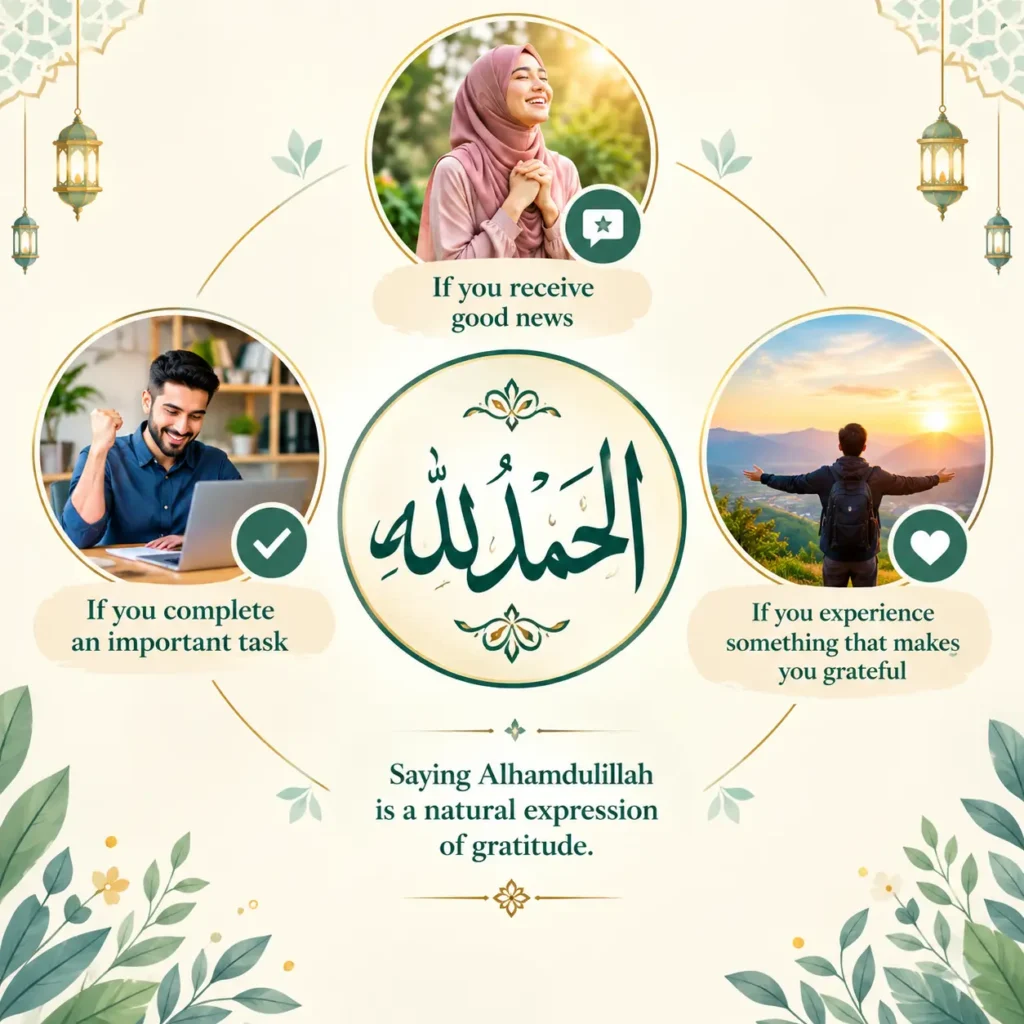
How to apply this lesson
- Begin your morning by naming three blessings you appreciate.
- Thank Allah for ordinary comforts instead of waiting for extraordinary events.
- Reflect on the guidance you receive through the Quran.
- Avoid measuring your blessings only against what other people possess.
Gratitude begins when we learn to notice what is already present in our lives.
2. Let the Quran Guide Your Heart
Surah Ar-Rahman mentions the teaching of the Quran immediately after naming Allah, the Most Merciful. This highlights the vital link between divine mercy and revelation. Embracing the importance of reading the Quran with understanding allows us to unlock the true depth of its message rather than just reciting words mechanically.
The Quran offers direction when we face difficult decisions, struggle with our desires, or feel uncertain about our purpose. Reading it with reflection helps us understand not only what Allah teaches but also how to apply His guidance in our daily routine.
Arabic:
عَلَّمَ الْقُرْآنَ
Meaning: “Taught the Quran.” (Surah Ar-Rahman 55:2)
Practical ways to connect with the Quran
- Read a small portion every day, even if it is only a few verses.
- Learn the meaning of the verses you recite during Salah.
- Choose one teaching and put it into practice.
- Ask Allah to help you act upon the knowledge you gain.
A grateful Muslim does not simply appreciate the Quran as a blessing; they also make an effort to live by its teachings.
“Want to pass down this love for the Quran to the next generation? Discover fun, interactive methods in our guide on 10 Creative Ways to Teach Quran to Kids!” or “Looking to build a strong foundation for your reading journey? Master the basics smoothly with our step-by-step guide on the Arabic Alphabet for Beginners.”
3. Appreciate the Blessings You Often Overlook
Many people associate blessings with wealth, success, or a comfortable lifestyle. However, Surah Ar-Rahman draws attention to the natural world and the many provisions Allah has made available to humanity.
The sun, moon, plants, fruits, and water all support life. These everyday gifts remind us that our existence depends on blessings we did not create ourselves.
Arabic:
وَالْأَرْضَ وَضَعَهَا لِلْأَنَامِ
Meaning: “And the earth He laid out for all beings.” (Surah Ar-Rahman 55:10)
This verse encourages us to reflect on the earth as a provision from Allah. It also reminds us to respect the environment and use its resources responsibly.
Put this lesson into practice: Before eating, pause to appreciate the food in front of you. When you drink water, remember its importance. Treat the natural world with care rather than taking it for granted.
4. Understand That Gratitude Is More Than Words
Saying Alhamdulillah is a beautiful expression of gratitude, but thankfulness also appears in our actions. When Allah blesses us with knowledge, we should use it beneficially. When He provides wealth, we should avoid waste and help those in need.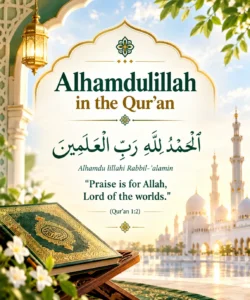
Surah Ar-Rahman reminds us of the balance and order within creation.
Arabic:
وَالسَّمَاءَ رَفَعَهَا وَوَضَعَ الْمِيزَانَ
Meaning: “And the heaven He raised and imposed the balance.” (Surah Ar-Rahman 55:7)
The following verses warn against violating that balance. These teachings encourage fairness, honesty, and responsibility in our dealings.
What does practical gratitude look like?
- Use your time for beneficial activities.
- Give charity according to your means.
- Speak kindly to your parents, family, and neighbors.
- Avoid wasting food, money, and other resources.
- Use your abilities to help others.
True gratitude connects what we say with how we live. It turns appreciation into good character and meaningful action.
5. Remember That Allah’s Mercy Gives Hope
The name Ar-Rahman means the Most Merciful. By opening the surah with this name, Allah directs our attention to His vast mercy.
Remembering Allah’s mercy can bring hope during difficult times. Life includes disappointment, loss, uncertainty, and personal struggles, but hardship does not mean that a person has been abandoned by Allah.
Arabic:
الرَّحْمَٰنُ
Meaning: “The Most Merciful.” (Surah Ar-Rahman 55:1)
This single word invites believers to reflect on Allah’s mercy and approach Him through prayer, repentance, and sincere worship.
When life becomes difficult, try to:
- Turn to Allah through Salah and dua.
- Seek forgiveness and renew your intentions.
- Remember the blessings that remain in your life.
- Take practical steps to address your difficulties.
- Avoid losing hope in Allah’s mercy.
Gratitude does not require pretending that everything is easy. It means recognizing Allah’s blessings while facing challenges with faith and patience.
6. Maintain Balance in Your Daily Life
Another important lesson from Surah Ar-Rahman is the significance of balance. The surah describes the balance Allah established in creation and commands people not to transgress its limits.
Arabic:
أَلَّا تَطْغَوْا فِي الْمِيزَانِ
Meaning: “So that you do not transgress within the balance.” (Surah Ar-Rahman 55:8)
This verse appears within the passage about balance in verses 7–9. It teaches us to respect limits and uphold fairness.
In everyday life, balance can mean managing work without neglecting worship, enjoying lawful provisions without extravagance, and caring for personal needs without ignoring the rights of others.
For example, a balanced routine might include:
- Making time for the five daily prayers.
- Fulfilling family and work responsibilities.
- Caring for physical and emotional well-being.
- Setting aside time for Quran recitation and reflection.
- Spending money thoughtfully and avoiding unnecessary waste.
A balanced life helps us appreciate our blessings without becoming distracted by excess or neglecting our duties.
7. Reflect on Allah’s Greatness and the Hereafter
Surah Ar-Rahman does not focus only on worldly blessings. It also reminds us that human life is temporary and that everything in creation depends on Allah.
This perspective helps believers understand that worldly success is not the ultimate purpose of life. Wealth, beauty, achievements, and possessions eventually change or disappear, while faith and righteous deeds remain central to our accountability before Allah.
Arabic:
كُلُّ مَنْ عَلَيْهَا فَانٍ وَيَبْقَىٰ وَجْهُ رَبِّكَ ذُو الْجَلَالِ وَالْإِكْرَامِ
Meaning: “Everyone upon it will perish. And there will remain the Face of your Lord, Owner of Majesty and Honor.” (Surah Ar-Rahman 55:26–27)
These verses remind us of the temporary nature of worldly life and the greatness of Allah.
Reflecting on the Hereafter can help us prioritize what truly matters: sincere worship, good character, fulfilling our responsibilities, and treating others justly. Instead of allowing possessions to define our worth, we can use our blessings in ways that please Allah.
Practical Summary: Lessons from Surah Ar-Rahman
| Lesson | Practical action |
|---|---|
| Recognize Allah’s blessings | List three things you are grateful for daily. |
| Follow Quranic guidance | Read the Quran with meaning and reflection. |
| Appreciate creation | Avoid waste and care for the environment. |
| Show gratitude through actions | Help others and act with honesty. |
| Remember Allah’s mercy | Make dua and seek forgiveness. |
| Maintain balance | Give worship, family, and responsibilities their due. |
| Remember the Hereafter | Prioritize faith and righteous deeds. |
Frequently Asked Questions
What is the main lesson of Surah Ar-Rahman?
The main lesson is to recognize Allah’s countless blessings, appreciate His mercy, and respond with gratitude, obedience, and responsible actions.
Why is the question “Which of your Lord’s favors will you deny?” repeated?
The question is repeated throughout Surah Ar-Rahman to draw attention to Allah’s blessings and encourage reflection on His favors. It appears as a powerful reminder to acknowledge His generosity rather than overlook it.
How does Surah Ar-Rahman teach gratitude?
Surah Ar-Rahman highlights blessings such as the Quran, human creation, the natural world, and Allah’s mercy. Reflecting on these gifts encourages believers to thank Allah through words, worship, and good deeds.
What is the best way to apply Surah Ar-Rahman in daily life?
Read the surah with its translation, reflect on its message, thank Allah regularly, act fairly, avoid waste, and use your blessings to benefit others.
What does Ar-Rahman mean?
Ar-Rahman means “The Most Merciful.” It is one of Allah’s beautiful names and reminds believers of His immense mercy.
Final Thoughts
The lessons from Surah Ar-Rahman encourage us to look at life with a more grateful heart. Its verses remind us that Allah’s blessings extend far beyond wealth and material success. Guidance, mercy, the natural world, and the opportunity to do good are all gifts worthy of appreciation.
Start with one simple step today: recite Surah Ar-Rahman with its translation and reflect on the blessings you may have overlooked. Then turn that reflection into action through prayer, kindness, honesty, and generosity.
Want to deepen your connection with the Quran? Explore more Quranic reflections and Islamic learning resources at QuranicWave and make Quranic guidance part of your daily life.